Right across Morris Group, people are working hard to create exceptional experiences for our guests day after day. For some teams, that’s even resulted in award recognition from their industry peers and customers.
We caught up with a few of the high performing teams who share some insights into what it takes to deliver excellence every day.
Award-winning hospitality at:
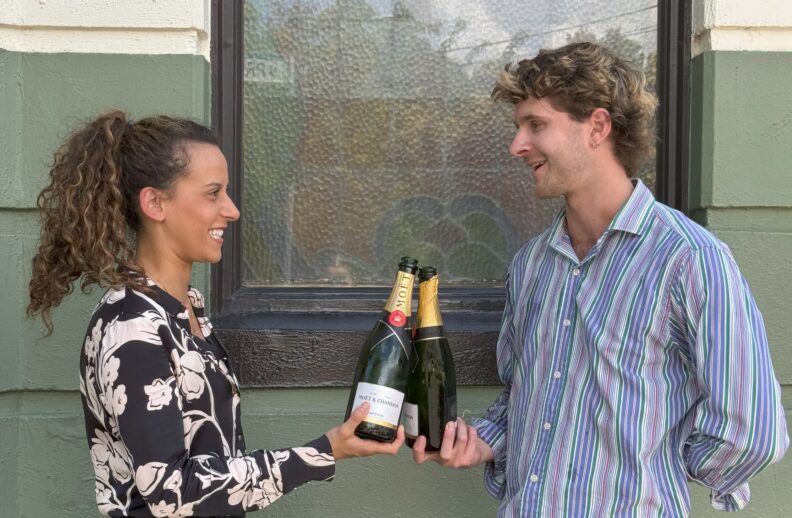
Morris Hospitality’s Railway Club Hotel has remained one of Melbourne’s busiest dining rooms for over 40 years, with a reputation for excellence that has stood the test of time. Most recently, the iconic Port Melbourne pub was named the 3AW & De Bortoli Wines Pub of the Year in 2025.
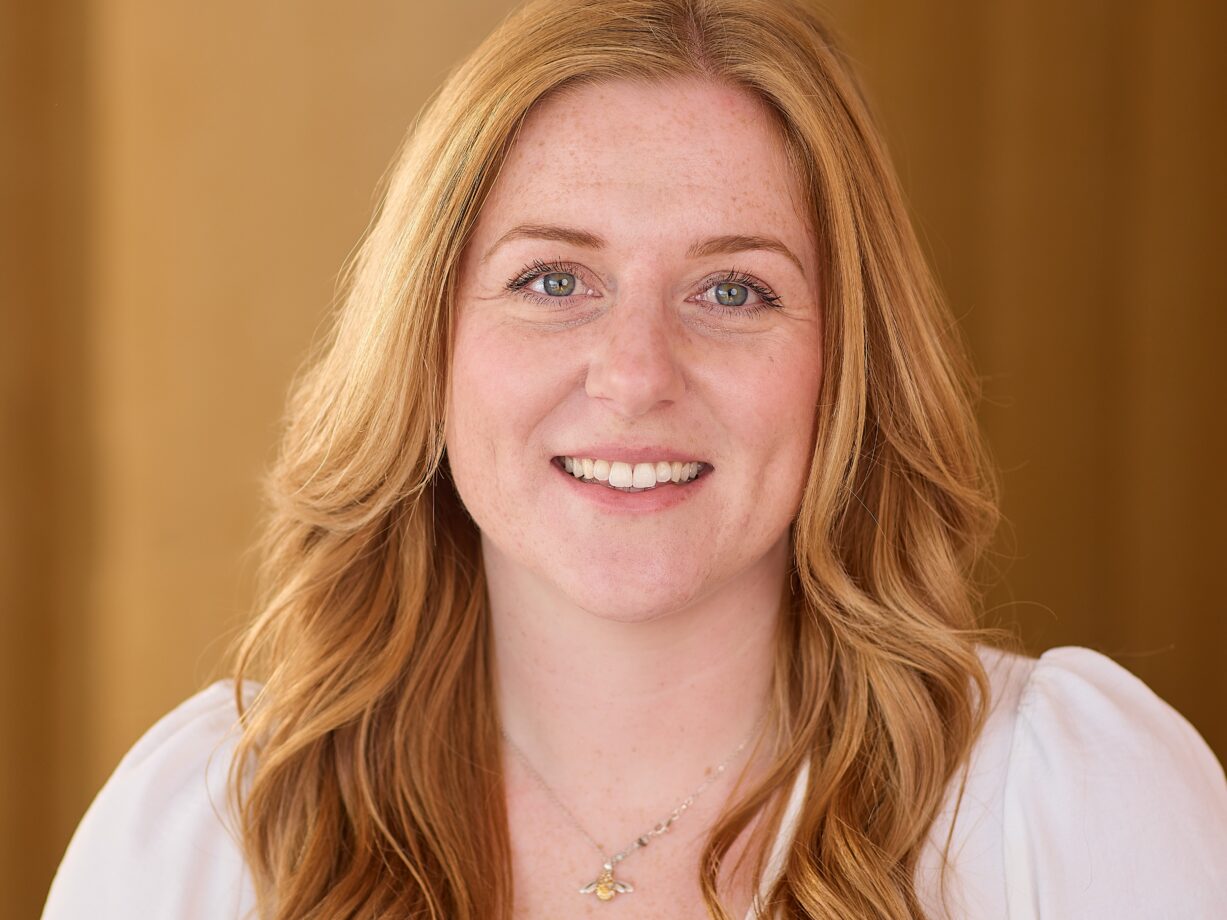
General Manager Ginny Farrah says…
Having worked at Railway Club Hotel for seven years, what I’ve learned is that service excellence is about consistency, professionalism, care, and attention to detail in every interaction. It means going beyond simply completing a task. It’s understanding what the guest needs and responding to that, by making sure the experience feels smooth, positive, and personal.
The key is clear communication, being proactive, supporting one another as a team, solving problems quickly, and taking pride in the small details. One of the most rewarding parts of delivering excellent service is seeing the positive impact it can have on others; whether that’s creating a memorable experience for guests or developing young talent to further progress in the hospitality industry.
What makes our team so exceptional is the way we work together and the culture. Everyone understands that great service is not delivered by one person alone. It comes from a shared team culture. We support each other, communicate well, and step in when someone needs help. It’s also important to acknowledge the support from the broader Morris Hospitality business which allows me to further develop my team.
As a leader, I try to elevate the team by setting a clear example. I believe that leadership is not just about giving instructions. It’s about creating an environment where people feel supported, trusted, and motivated to do their best. A lot of effort goes into making sure everyone feels valued, listened to, and that they feel confident to deliver to the standard that the venue expects.
Being recognised by the industry and customers with various awards really shows that the hard work, commitment, and care the team has put in has been noticed. It’s a very proud moment for me being nominated for GM of the Year and the venue also winning Pub of the Year. It’s not only motivational for myself, but to know the team are being acknowledged for their hard work.
Award-winning conferencing and events at:
Since its major redevelopment was complete in 2018, The Ville has built a strong reputation for delivering excellence in conferencing events for its clients. In November 2025, the team was recognised with the award for Best Business and Conferencing Venue at the North Queensland Tourism and Events Awards, landing them in the Hall of Fame for the category after several consecutive wins.
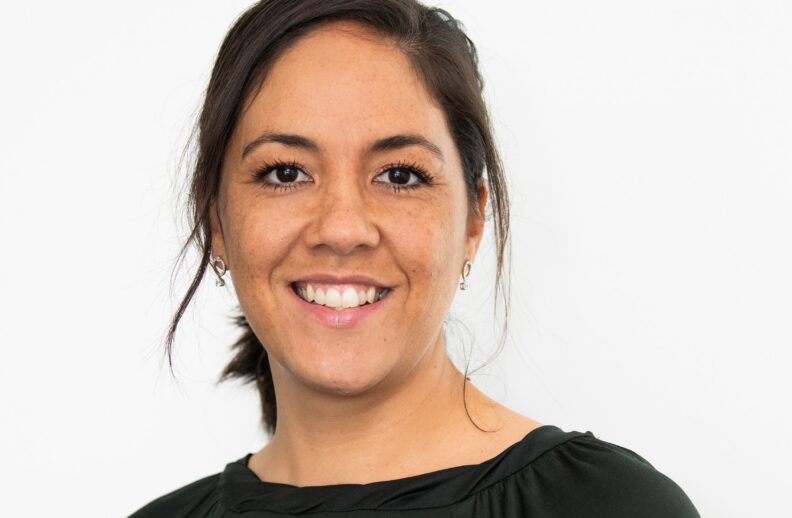
Sales Manager Cara Ewington says…
For us service excellence is reflected in the final outcome of every event. It’s about organising and delivering a seamless experience where everything comes together as planned, or better. We know we’ve achieved excellence when we see the finished product, receive positive client feedback, and especially when clients come back to work with us again. Repeat business is a very strong indicator that we are delivering consistently high standards.
Our team’s strength lies in our collaboration with each other and our shared passion for the events industry. Each team member takes pride in their role and is genuinely invested in delivering high quality, well-executed events. The collective commitment and enthusiasm is what enables us to consistently deliver excellence.
We maintain our high standards by continually seeking out new ideas and opportunities to improve. Open communication and teamwork are key. I think it’s important to take a proactive approach by debriefing after events where we may have not fully met expectations. We openly discuss what worked and what could have been done better, and this allows us to identify any gaps or areas for improvement, not just for that specific event but for all future events as well. It’s all about learning, refining, and continuously raising our standards to stay on top.
As a leader, I focus on supporting and empowering my team. By creating an environment where team members feel heard, supported, and valued while also being accountable in their role, I believe it helps to create both individual and collective excellence.
It is incredibly rewarding to be recognised for the hard work we put in as a team and is a testament to the entire department’s efforts. It is highly motivating and reinforces our commitment to not only maintaining our standards but continue to raise the bar. Achievements like being named as the Best Conferencing Venue and entering the Hall of Fame for three consecutive wins was particularly meaningful and rewarding for all of us.
The best advice I can give to other leaders is to stay focused and remember that you are only as strong as the team you have around you. I think it is important to understand each role that contributes to delivering a successful event and to recognise how integral each team member is. It’s about recognising each individual’s strengths while also encouraging their growth and development and fostering a team culture where everyone enjoys coming to work and enjoys collaborating.
Award-winning tourism experiences at:
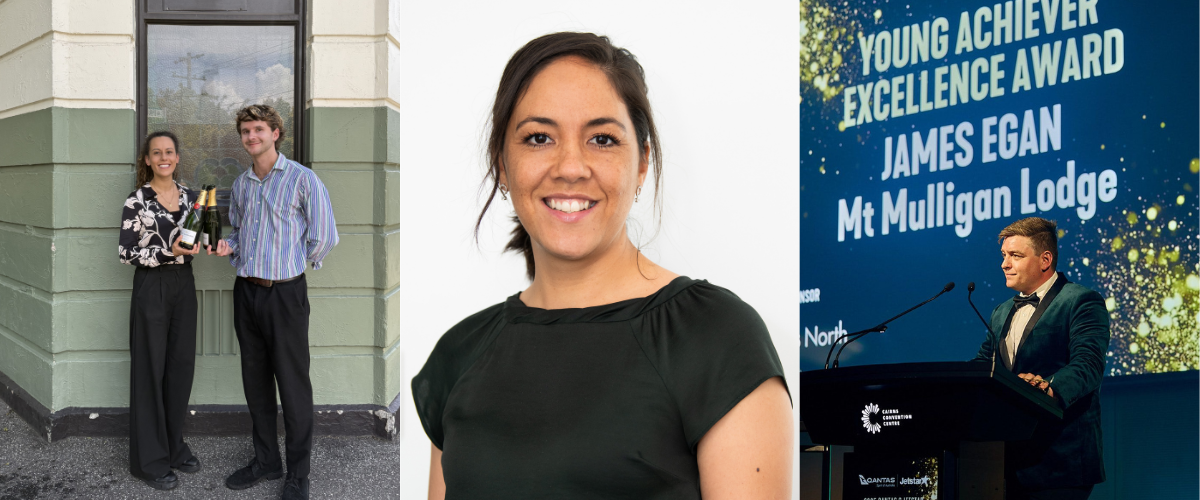
As a member of the Luxury Lodges of Australia and winner of countless awards including Robb Report’s 50 Greatest Luxury Hotels on Earth, the team at Mt Mulligan is no stranger concept of excellence. Led by husband-and-wife General Manager duo James and Phoebe Egan, they deliver unforgettable experiences for every guest, every day.
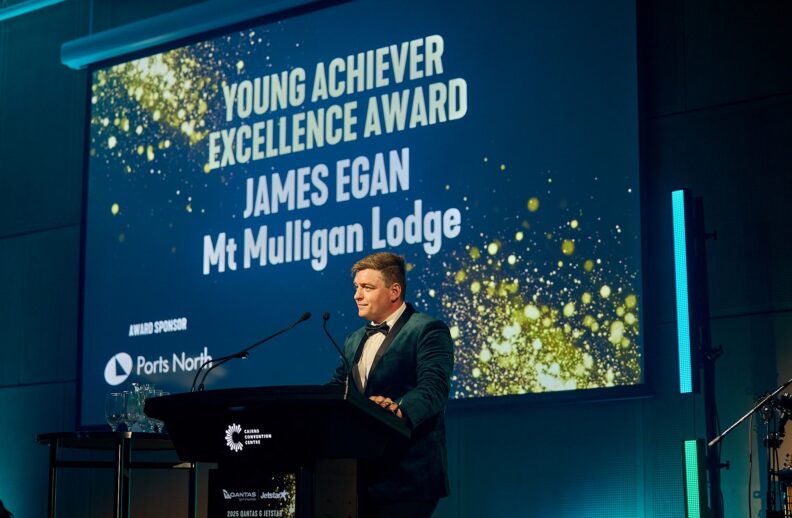
In October 2025, James was named Young Achiever of the Year at the Tourism Tropical North Queensland Industry Excellence Awards.
General Manager James Egan says…
For us service excellence is about creating a feeling that stays with people long after they leave Mt Mulligan Lodge. We are fortunate to work in such a powerful landscape, so our role is to help guests slow down, feel genuinely cared for, and connect with the place in a meaningful way.
Excellence shows up in the small details every day: remembering a guest’s coffee order, anticipating what they might need before they ask, tailoring an experience to suit the weather or the guest’s interests, or making sure every meal and interaction feels relaxed, personal and thoughtful. We love being a part of people’s lifelong memories. It’s what drives us to be better every day in the work we do.
Our team is exceptional because they genuinely care. Mt Mulligan Lodge is remote, intimate, and very personal, so everyone must work together and everyone plays a part in the guest experience. There is nowhere to hide in a lodge environment like this and that creates a very strong sense of ownership and pride.
For me, leadership is about being present and setting the tone. In a small lodge, the team sees how you handle pressure, how you speak to guests, and how you support people behind the scenes. You cannot ask for care, attention, and pride from your team if you are not showing those things yourself.We also try to give the team confidence not just instructions. That means helping them understand the ‘why’ behind what we do, encouraging ownership, and giving them the tools and trust to make good decisions for guests.
It has been a big couple of years here with an amazing amount of recognition for the team and property. It means a great deal because the recognition belongs to the whole team. Awards and accolades are never the work of one person. They reflect the effort of everyone who gets up each day and contributes to the guest experience – often in ways guests may never see.
The two biggest pieces of advice I could give to other leaders would be firstly to look after your people. Guests can feel when a team is supported, proud of what they do, and connected. Service excellence starts behind the scenes with the culture you create. Secondly, do not overcomplicate hospitality. The basics matter: warmth, consistency, attention to detail, follow-through, and genuine care. Luxury does not need to feel stiff or formal. At its best, it feels effortless and personal.
For as long as she can remember, Pennsylvania Castle has always loomed large in Kiya Vaughan’s life. But she never could have dreamed the historic estate would play such a big role in building her marketing career.
Kiya Vaughan
Marketing & Sales Manager
Pennsylvania Castle Estate, UK
I’ve lived on the island of Portland my entire life and have always been aware of Pennsylvania Castle, its history, and the important role it plays within the community. After studying travel and tourism at college, I developed an interest in working with venues and accommodation providers that create memorable experiences for their guests. I then spent eight years in customer service, which gave me valuable insight into social media and audience engagement. When I saw that The Penn Estate was recruiting for a Marketing Co-ordinator, I felt it was the perfect opportunity to pursue a new career path right on my doorstep.
Although I didn’t have direct marketing experience when I joined, the team recognised the value of my connection to Portland and believed that my passion for the island could be channelled into the role. I’ve been incredibly fortunate to develop my skills through the Chartered Institute of Marketing, applying what I learn directly to my day-to-day responsibilities.
In this role, I look after everything that helps us get seen and booked by potential guests. From social media, paid ads (with the support of the lovely team in Australia), and press coverage, to working with agents and exploring the world of influencers, my job is to make sure our brand shines and that we’re well-known as the luxury, event-led estate we have worked hard to build over the years. I also play a big part in making sure the rest of the team is aligned with our strategic goals and values, which is important in ensuring we are all working together towards the same objectives.
Working at the estate has given me valuable marketing knowledge, practical skills, and a genuine passion for encouraging people to see the beauty of what we have to offer. Through both my studies and hands-on experience, I’ve developed professionally in areas like content creation, planning, and understanding how marketing supports wider business goals.
Personally, I’ve gained a great deal of confidence, from trusting my judgement to taking ownership of projects. The support of our leadership team has been a major part of that, providing encouragement, guidance, and opportunities to grow. Overall, the role has helped me build my confidence, capability, and a clear sense of direction in my career.
We are a small, close-knit team on the estate, collaborating across many areas of our work. As an event-led business, effective marketing is vital for positioning the estate as a premier destination for weddings, corporate retreats, and special celebrations. I work closely with both the events and operations teams to ensure our activities remain aligned with our shared objectives. Our supportive team culture is especially important, and it consistently ensures that everyone feels valued, happy, and encouraged—something I’ve never found lacking here.
The thing I love most about the job is seeing the results of our efforts come to life. Whether it’s a fully booked wedding season, a glowing feature in the press, or hearing guests talk about their amazing experience. It’s a great feeling knowing that what we do helps create unforgettable moments.
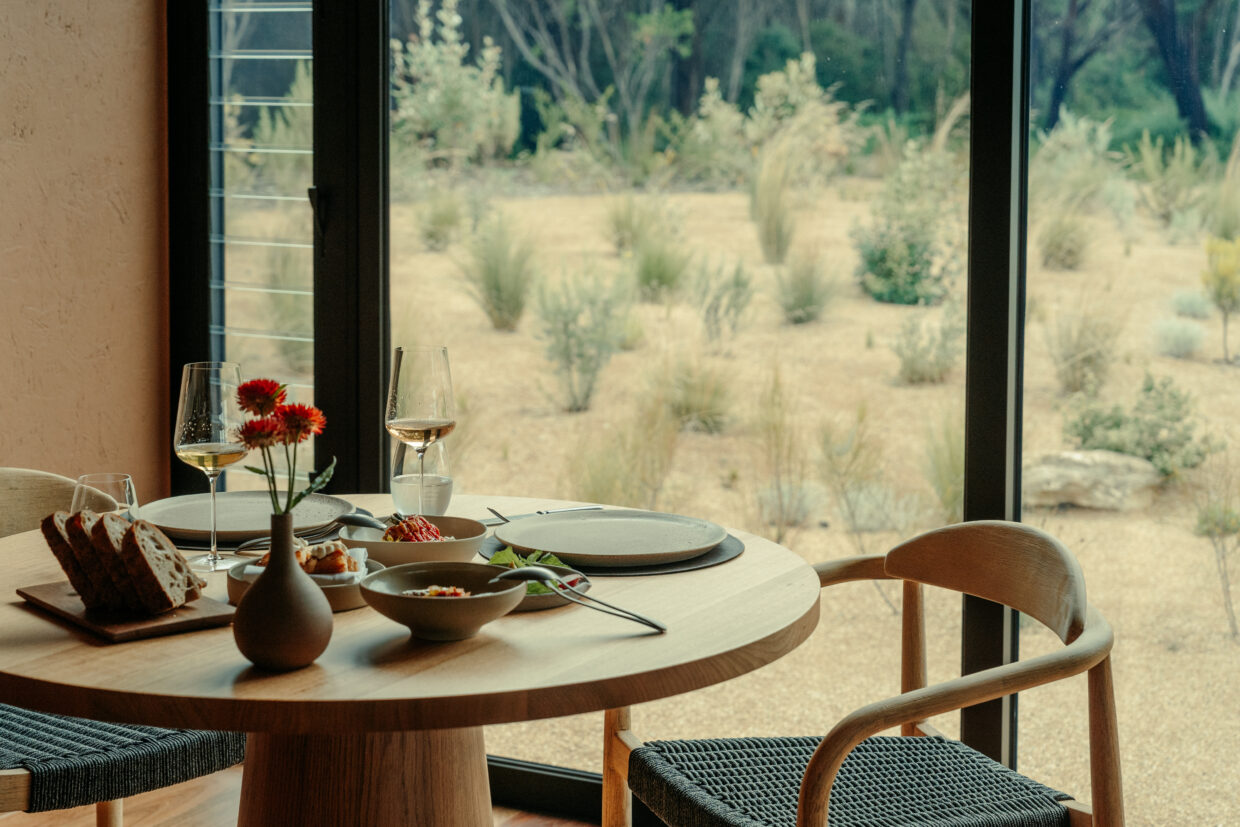
Barragunda Dining has proven itself to be a real trailblazer in Australia’s food scene just one year after its opening. But its impact goes beyond the table.
A year on from its official opening, it’s fair to say that Barragunda Dining has caught the attention of the Australian food scene.
Two months after opening its doors, the farm to table restaurant on the Mornington Peninsula was awarded a prestigious two Chef Hats by Good Food Guide. A few months later, they followed it up by taking out Good Food Guide’s Trailblazer Award at the industry’s night of nights.
But accolades aside, the restaurant’s impact is much bigger than just award-winning, innovative, modern Australian dining. The vision was always about the bigger picture.
And that’s where Morris Family Foundation comes into the story.
Long before the restaurant’s foundations were laid on the Morris Family’s 400-hectare Cape Schank property, Hayley Morris had a dream to create a dining experience that showcased the benefits of regenerative farming at its finest.
Now, with a steady stream of delighted diners, Barragunda’s greater impact is becoming even more tangible, with all of the restaurant’s profits going to grassroots projects through Morris Family Foundation.
The foundation provides funding support for a range of community organisations and projects that are working to address critical social, environmental, and economic issues in Australia and abroad.
Barragunda Dining’s profits are directed particularly toward projects that help push forward Australia’s shift to more sustainable practices in food and farming systems, known as regenerative farming.
The farm at Barragunda itself runs on these same principles. It’s all about using the land and its resources in a way that finds a balance between give and take. The mindset is about understanding and respecting nature’s cycles and working to grow, restore, and enhance the land.
That’s done in a variety of ways at Barragunda which you can discover for yourself.
But even more work is happening out in the community, propelled by the organisations and projects being supported through the foundation to drive change in regenerative farming.
Here’s a snapshot of who they are and what their important work is all about:
Farming for the Future
Farming for the Future is a research project working with Australian farmers to see how adopting more sustainable practices on their farms can have financial benefits as well as environmental ones.
Soils for Life
Soils for Life works directly with Australian farmers providing information and training to help them improve soil health on their farms and move towards more regenerative practices.
Sustainable Table
Sustainable Table works to build networks in the agricultural industry. Part of their goal is to connect farmers to changemakers who have funding available to support their shift towards regenerative farming practices.
Asher Cohen
Farm and Property Manager
CBCo Brewery, Margaret River
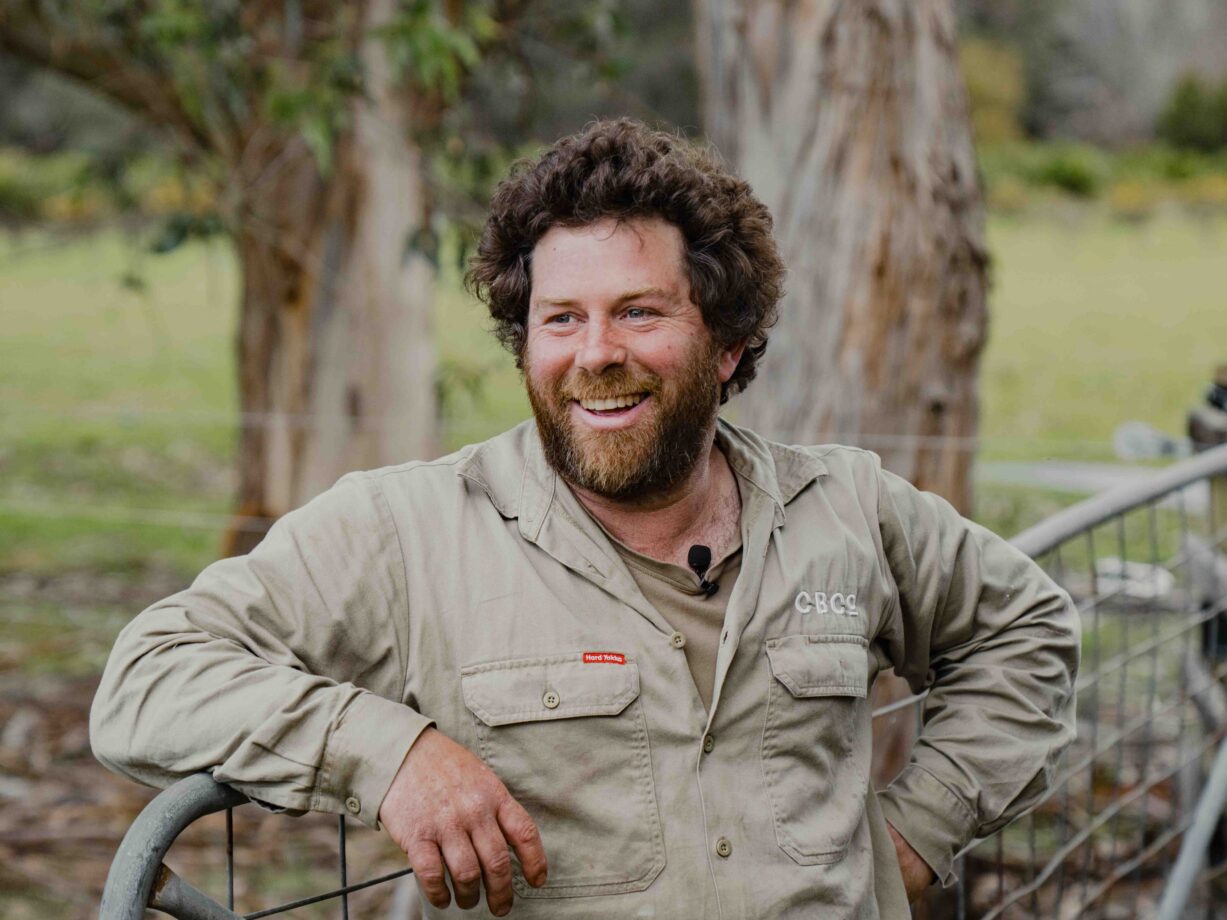
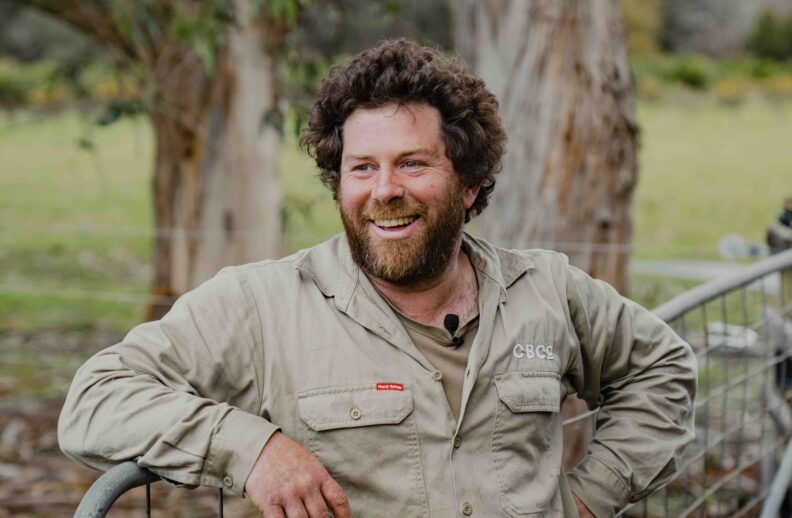
My role at CBCO Brewing’s Margaret River venue is the Farm and Property Manager. Basically, I look after the venue maintenance, the livestock and farm, and the general grounds and gardens. The job is varied and my day-to-day work changes each day.
Before this role, I finished my chef’s apprenticeship and worked in kitchens for around 15 years. I then jumped ship to work on boats. I started as deckhand and ended up in an engineer’s role, looking after all mechanical systems and maintenance on a 42m superyacht. More recently we bought a rundown farm and entered the farming world. I’ve been working on local farms gaining knowledge in the farming industry, whilst trying to set our own farm up.
I love the outdoors and working with livestock. This role appealed to me as my love of food and farming come together, being able to deliver quality produce, and see the end result in great food coming out of the kitchen for our guests.
My day usually starts around 6.30am for my livestock checks and feeding. Then I jump on the mower or there is usually something that needs fixing or sorting around the venue. My workday is unpredictable. It can be a pretty cruisy job until it isn’t! Stuff breaks or goes wrong usually at the worst possible time, when you are already busy or right as the doors for service open. If something is going to fail, it will usually do it on a hectic day, when it’s bucketing down with rain, or just as you’re about to knock off for the day.
You really need to be flexible, physically as well as mentally. My to-do list changes several times a day and a lot of the time the things on the list are totally different from the list I started with at the start of the day.
Rebekah Sayle
Second Stewardess – M.Y. Northern Escape
Morris Nautical
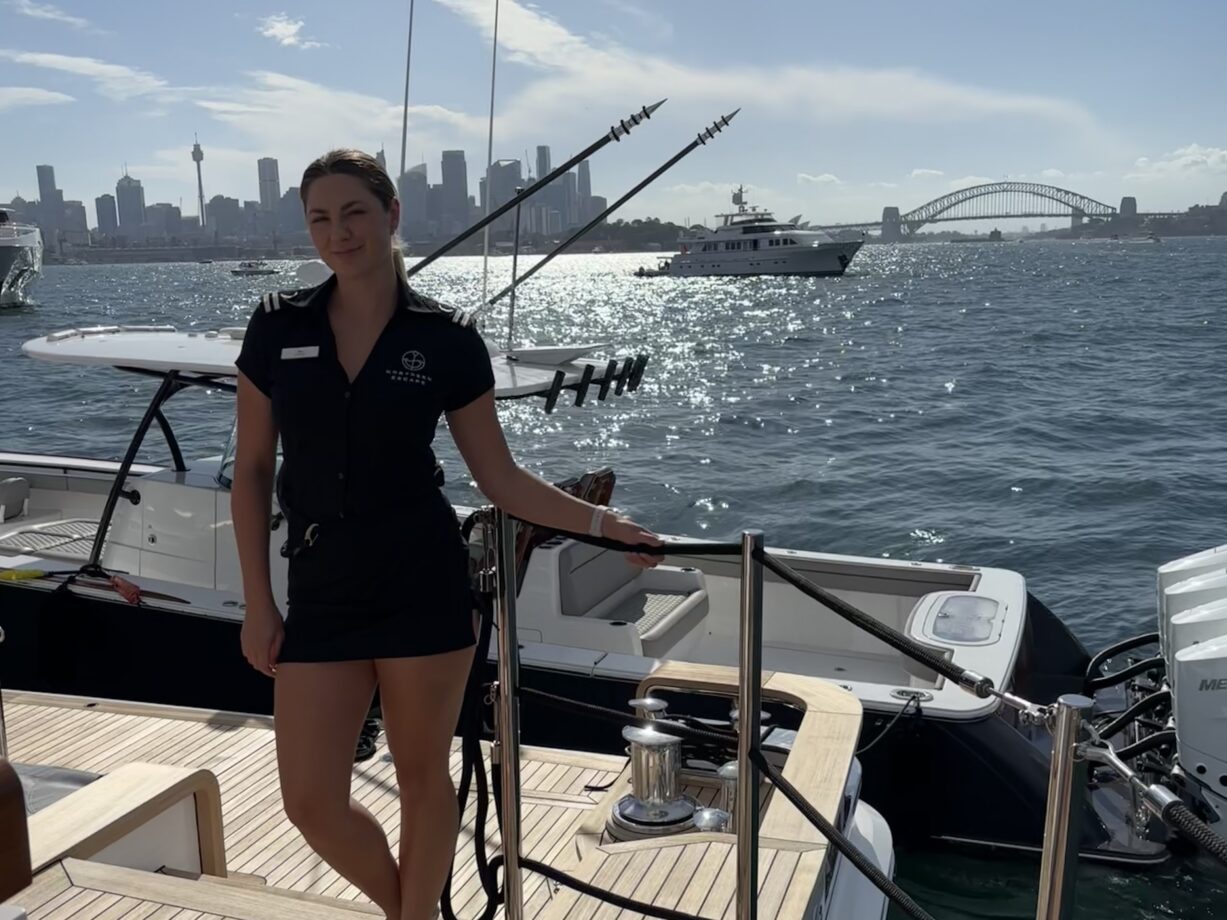
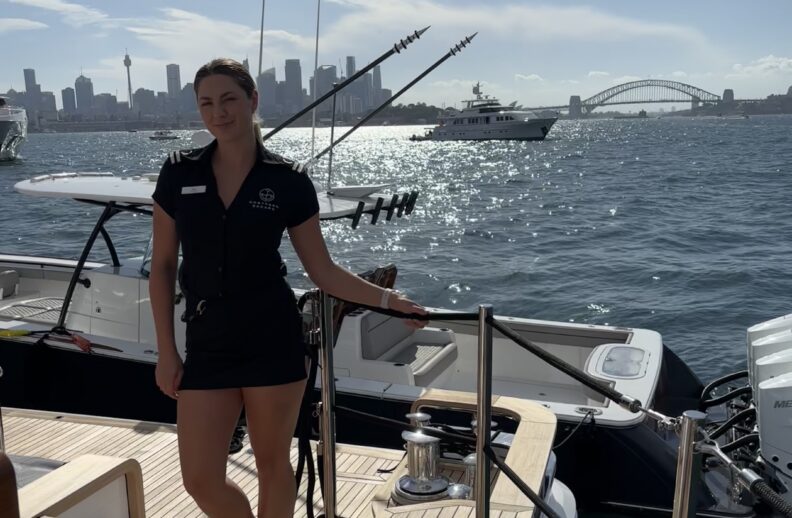
My role as second stewardess is a key part of the team ensuring high end service, guest interactions, and interior maintenance during charters.
When we’re off-charter, I help with general maintenance of the vessel’s interior and often cook for the crew. On-charter I spend a full 14 hours a day attending to guests’ needs, serving meals, bar service, as well as housekeeping and laundry.
Being able to travel and see more of the world was a very appealing element to the job. I also enjoy the day-to-day challenges of this line of work which can be very rewarding. One of the most interesting elements of this line of work is the guests. They’re often quite interesting people: sometimes international and well-known.
As a crew, we have many stories from previous trips in the Mediterranean from party groups to large families. My favourite memory would have to be watching the Grand Prix in Monaco while working. This was a trip for (Morris Group Founder) Chris Morris which our crew always adore over any other. It was a truly wonderful experience.
I suppose the hardest part is working long hours while maintaining a warm and friendly persona to everyone on board. The best way to combat this is by having an understanding that all your crew are in the same position, so we push through together as a team.
I think, to be a good stewardess you need to be outstanding in all aspects of the work: from knowledge of wine and cuisine, to knowing how to treat stains on plush materials. You need exceptional attention to detail and have to prioritise tasks to be a successful interior team.
Chantelle Hughes
Pilot – HeliFish
Morris Aviation
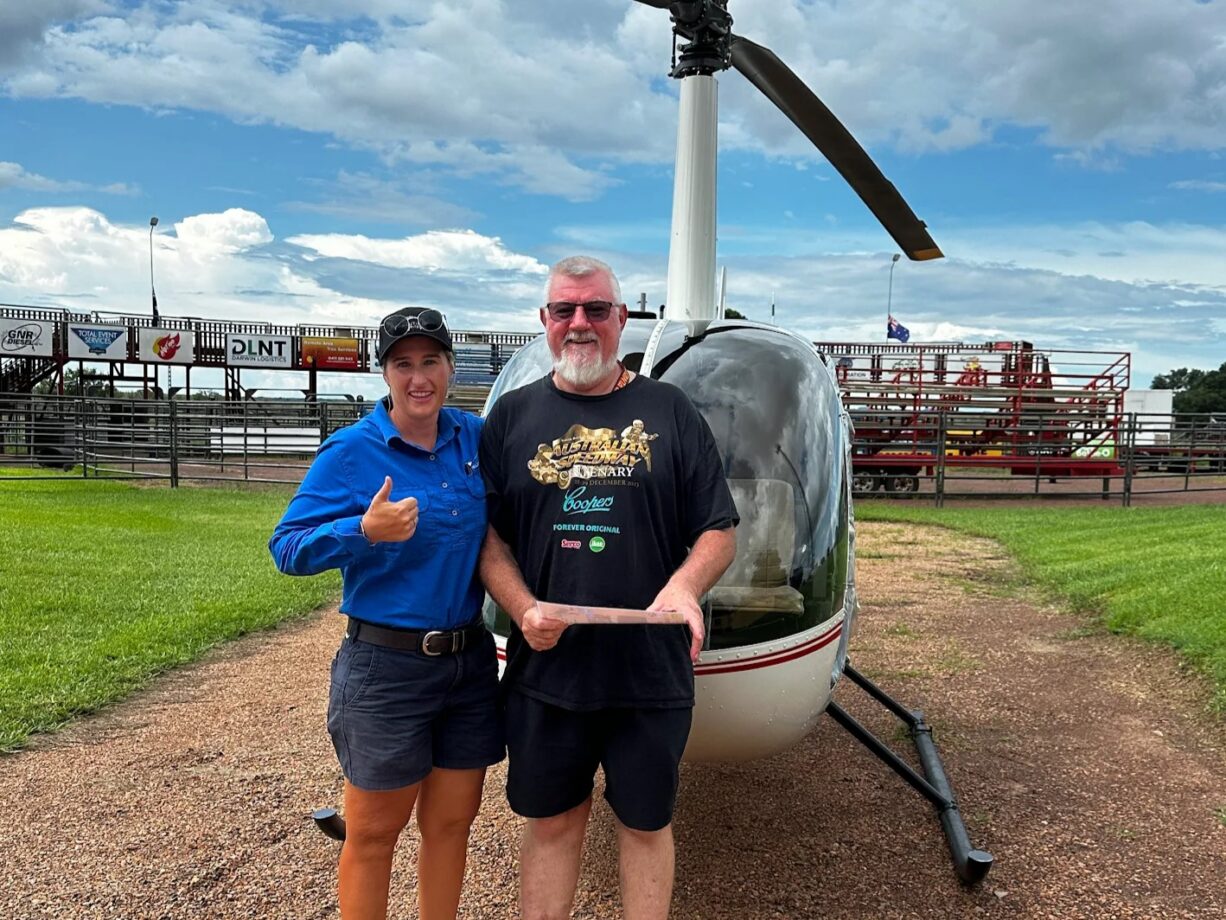
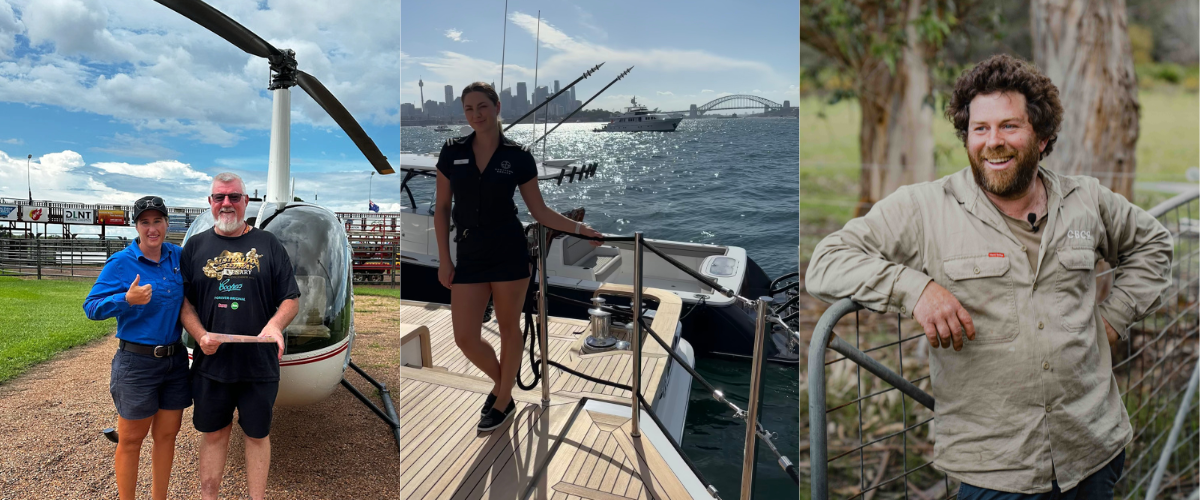
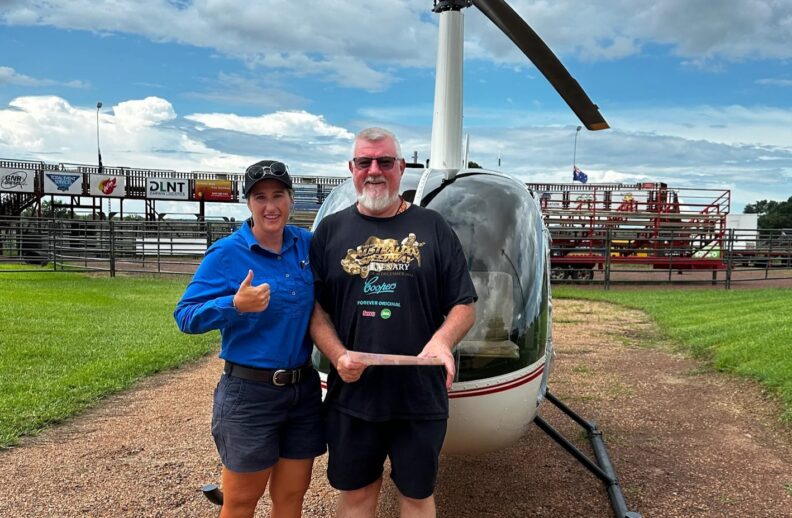
My role as a HeliFish pilot involves flying customers to some of the Top End’s most remote and pristine fishing destinations, hoping they can land an elusive metre-long barramundi. When I’m not out fishing, you can find me showing off the Northern Territory’s many waterfalls and escarpments, anywhere from Litchfield to Kakadu. I also take passengers on the classic HeliFish pub crawls.
This is my first full-time role in aviation since obtaining my commercial pilot license. I saw the ad for this role and knew it suited me down to the ground. I am a mad keen angler, so what better way to kick start my career in aviation by combining them both!
My workday usually starts at the hanger a couple of hours before my scheduled departure time. I do my daily inspection on the aircraft, and the fuel bowser before I start to pack the helicopter with the gear that I need for the day, check the weather and do a flight plan. Once the passengers are checked in and briefed, we head off to our first fishing spot, and I’ll point out some interesting sights along the way. If we’re lucky, I can spot a wild croc or water buffalo. We fish for most of the day before heading back, hopefully with some cool stories to tell – sometimes about the ‘one that got away’.
To be good at this job, you need to have a passion for sports-fishing and a unique ability to be able to read your clients so that they can have the best possible experience. We deal with customers from all backgrounds and fishing abilities, so you must be conscious of this and tailor your skills to meet their needs. I find it very rewarding being a part of creating memories that will last a lifetime. You can’t describe the smile on a customer’s face when they land their first barra or being part of a romantic proposal.
Flying in the territory has taught me some invaluable lessons in aviation and critical decision-making. No two days are the same especially when it comes to the weather. Storms can develop rapidly and become quite fierce, so you need to think on your feet and have a backup option to ensure the safety and comfort of both yourself, and your passengers.
With so many diverse and interesting roles across Morris Group, there’s always bound to be some surprising tales to tell. We caught up with a few colleagues whose jobs are far from ordinary, to find out more about what their workday involves.
Chantelle Hughes
Pilot – HeliFish
Morris Aviation
My role as a HeliFish pilot involves flying customers to some of the Top End’s most remote and pristine fishing destinations, hoping they can land an elusive metre-long barramundi. When I’m not out fishing, you can find me showing off the Northern Territory’s many waterfalls and escarpments, anywhere from Litchfield to Kakadu. I also take passengers on the classic HeliFish pub crawls.
This is my first full-time role in aviation since obtaining my commercial pilot license. I saw the ad for this role and knew it suited me down to the ground. I am a mad keen angler, so what better way to kick start my career in aviation by combining them both!
My workday usually starts at the hanger a couple of hours before my scheduled departure time. I do my daily inspection on the aircraft, and the fuel bowser before I start to pack the helicopter with the gear that I need for the day, check the weather and do a flight plan. Once the passengers are checked in and briefed, we head off to our first fishing spot, and I’ll point out some interesting sights along the way. If we’re lucky, I can spot a wild croc or water buffalo. We fish for most of the day before heading back, hopefully with some cool stories to tell – sometimes about the ‘one that got away’.
To be good at this job, you need to have a passion for sports-fishing and a unique ability to be able to read your clients so that they can have the best possible experience. We deal with customers from all backgrounds and fishing abilities, so you must be conscious of this and tailor your skills to meet their needs. I find it very rewarding being a part of creating memories that will last a lifetime. You can’t describe the smile on a customer’s face when they land their first barra or being part of a romantic proposal.
Flying in the territory has taught me some invaluable lessons in aviation and critical decision-making. No two days are the same especially when it comes to the weather. Storms can develop rapidly and become quite fierce, so you need to think on your feet and have a backup option to ensure the safety and comfort of both yourself, and your passengers.
Rebekah Sayle
Second Stewardess – M.Y. Northern Escape
Morris Nautical
My role as second stewardess is a key part of the team ensuring high end service, guest interactions, and interior maintenance during charters.
When we’re off-charter, I help with general maintenance of the vessel’s interior and often cook for the crew. On-charter I spend a full 14 hours a day attending to guests’ needs, serving meals, bar service, as well as housekeeping and laundry.
Being able to travel and see more of the world was a very appealing element to the job. I also enjoy the day-to-day challenges of this line of work which can be very rewarding. One of the most interesting elements of this line of work is the guests. They’re often quite interesting people: sometimes international and well-known.
As a crew, we have many stories from previous trips in the Mediterranean from party groups to large families. My favourite memory would have to be watching the Grand Prix in Monaco while working. This was a trip for Chris which our crew always adore over any other. It was a truly wonderful experience.
I suppose the hardest part is working long hours while maintaining a warm and friendly persona to everyone on board. The best way to combat this is by having an understanding that all your crew are in the same position, so we push through together as a team.
I think, to be a good stewardess you need to be outstanding in all aspects of the work: from knowledge of wine and cuisine, to knowing how to treat stains on plush materials. You need exceptional attention to detail and have to prioritise tasks to be a successful interior team.
Asher Cohen
Farm and Property Manager
CBCo Brewery, Margaret River
My role at CBCO Brewing’s Margaret River venue is the Farm and Property Manager. Basically, I look after the venue maintenance, the livestock and farm, and the general grounds and gardens. The job is varied and my day-to-day work changes each day.
Before this role, I finished my chef’s apprenticeship and worked in kitchens for around 15 years. I then jumped ship to work on boats. I started as deckhand and ended up in an engineer’s role, looking after all mechanical systems and maintenance on a 42m superyacht. More recently we bought a rundown farm and entered the farming world. I’ve been working on local farms gaining knowledge in the farming industry, whilst trying to set our own farm up.
I love the outdoors and working with livestock. This role appealed to me as my love of food and farming come together, being able to deliver quality produce, and see the end result in great food coming out of the kitchen for our guests.
My day usually starts around 6.30am for my livestock checks and feeding. Then I jump on the mower or there is usually something that needs fixing or sorting around the venue. My workday is unpredictable. It can be a pretty cruisy job until it isn’t! Stuff breaks or goes wrong usually at the worst possible time, when you are already busy or right as the doors for service open. If something is going to fail, it will usually do it on a hectic day, when it’s bucketing down with rain, or just as you’re about to knock off for the day.
You really need to be flexible, physically as well as mentally. My to-do list changes several times a day and a lot of the time the things on the list are totally different from the list I started with at the start of the day.
What’s not to love about summer? Warm sunshine, beach days, ice cream, and spending quality time with loved ones. Plus it comes with the added bonus of a reset: a fresh new year to reflect on the things you’ve achieved, and refocus on what lies ahead. We caught up with some of our colleagues from across Morris Group to find out what they love about summer and what they have their sights set on for the year ahead.
Elena Statie
Guest Services Agent
Ardo, QLD
What’s your summer read?
At the moment, I’m reading No Bad Parts by Richard C. Schwartz, and I really like its positive and compassionate way of understanding ourselves. It’s interesting without feeling too heavy. When summer comes though, I usually switch to podcasts. I enjoy listening to psychology and self-development topics, as well as personal stories, because they feel effortless and fit perfectly with relaxing, travelling, or spending time outdoors.
What’s your current binge or your favourite TV series of 2025?
One of my favourite TV series has been Outlander. I was completely hooked! I love the mix of history, romance, and adventure, and the storytelling really pulls you in.
What’s your go-to ice cream flavour?
My go-to ice cream combo is usually coconut and mango when I want something fresh and summery. But if I’m in the mood for something more gourmet, I’ll go for brownie ice cream – so yummy!
What’s your favourite summer thirst-quenching beverage?
During summer, I usually crave something fresh and fruity. When I’m out with friends, I love having a lychee margarita. It’s refreshing, slightly sweet, and feels very summery.
Where’s your favourite summer holiday destination?
For my ideal summer holiday, I love a mix of nature and new experiences. I really enjoy mountains, hills, hiking, and waterfalls. But I also love discovering new places, cultures, and local food. For me, the perfect trip combines beautiful landscapes with cultural experiences and great cuisine.
What was your highlight of 2025?
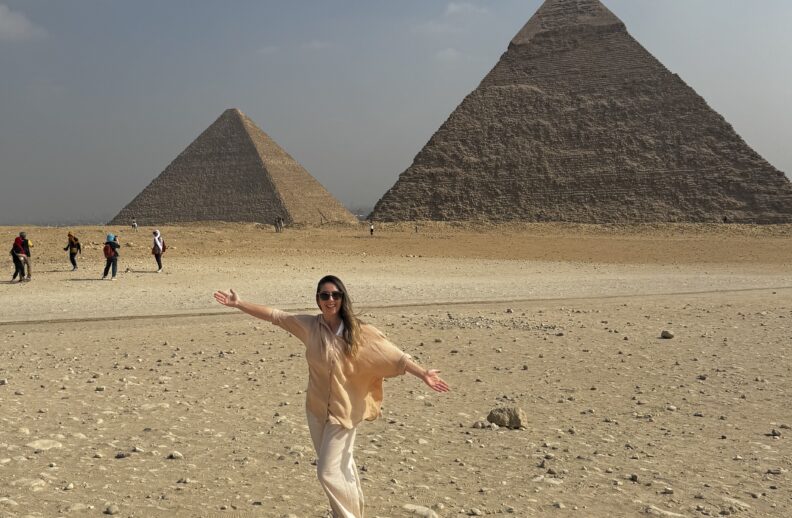
My highlight of 2025 was a mix of personal and professional growth. I also went to Egypt, which was amazing for the history and culture. Seeing the pyramids and exploring ancient temples was unforgettable, and I loved trying all the local dishes. The food was incredible! It was fascinating to experience a culture so different from my own while still enjoying moments in nature along the Nile.
What’s the thing you’re looking forward to most in 2026?
In 2026, I’m really excited to keep growing at work and pushing myself a bit more, while also staying active and consistent at the gym. Outside of work, I’d love to finally make it to New Zealand. Exploring the mountains, hiking through incredible landscapes, and chasing waterfalls has been a dream of mine for a long time.
What’s something you’d like to achieve at work in 2026?
This year, I’d like to take on more responsibility at work and continue developing my skills in guest service and hotel operations.
Digby Bloom
Bartender & Waiter
Half Moon, VIC
What’s your summer read?
I love reading Anthony Bourdain’s books when I’m on the beach or at home in bed. I love his passion of food and his style of writing.
What’s your current binge or your favourite TV series of 2025?
I just finished Stranger Things. I love the storyline and feel like I have almost grown up with the characters.
What’s your go-to ice cream flavour?
It’s a tie between salted caramel and mint choc chip. If I had to choose one though, it was be salted caramel by slim margins.
What’s your favourite summer thirst-quenching beverage?
A cold Asahi always hits the spot.
Where’s your favourite summer holiday destination?
I love Port Douglas. It has great beaches and I really enjoy going fishing when I am there. The backpackers, Dougies, is a great place to drink as well.
What was your highlight of 2025?
The highlight of my year was going away to Thailand. I had never been there and the food, culture, people and landscape was absolutely unreal. Definitely going back!
What’s the thing you’re looking forward to most in 2026?
I am starting a new university degree in March which I am very excited to get underway. It’s a degree much more tailored to what I’m interested in so I’m eager to get started.
What’s something you’d like to achieve at work in 2026?
I would like to get good marks and be super involved in my new degree. I would also like tobecome a supervisor or take on more responsibilities at Half Moon.
Kimel Pillay
Accountant
Morris Escapes, VIC
What’s your summer read?
I started reading an eight-book series called Zodiac Academy. It is as cringe as it sounds but I’m so addicted to it. It’s basically a cross between Harry Potter and Gossip Girl and its perfect for when you want to switch your brain off.
What’s your current binge or your favourite TV series of 2025?
Currently binging Breaking Bad for the first time. It only took me 17 years to watch it but I finally started it over the summer break, and I completely understand the hype! The storyline is great, it’s perfectly paced, and the characters and performances are done so well. It’s also surprisingly so funny without trying to be.
What’s your go-to ice cream flavour?
A very strong, rich and bitter matcha ice cream. The colour and quality of the matcha is extremely important.
What’s your favourite summer thirst-quenching beverage?
An extra dirty gin martini with extra olives in a rooftop bar. The rooftop is actually the most important ingredient for a perfect gin martini.
Where’s your favourite summer holiday destination?
Cape Town, South Africa. I’m originally from South Africa, so it’ll always have a special place in my heart. But beyond that, it’s just an unreal city with beaches, mountains, wildlife, wineries and some of the best food you’ll ever have.
What was your highlight of 2025?
My highlight of 2025 was turning 30 and spending it in South Africa with my best friends. Going back after 10 years was incredibly special, especially getting to share where I’m from with two people I’m so close to. Seeing my home country again through the eyes of a tourist, it reminded me just how beautiful it really is.
What’s the thing you’re looking forward to most in 2026?
Joining a run club and getting into running! Ever since turning 30, it feels inevitable that a marathon is in my future, downloading Strava is also on the vision board.
What’s something you’d like to achieve at work in 2026?
Finally starting my CPA and officially saying goodbye to my social life. It’s something I’ve wanted to do for a while, and while it’ll take a big-time commitment, it feels like the right move for my career and future opportunities.
Alex Rosano
Helpdesk Team Leader
Morris Technology, VIC
What’s your summer read?
The latest tech news.
What’s your current binge or your favourite TV series of 2025?
I’m currently binging Bones.
What’s your go-to ice cream flavour?
Chocolate.
What’s your favourite summer thirst-quenching beverage?
Water, hahaha.
Where’s your favourite summer holiday destination?
Movie World is pretty great.
What was your highlight of 2025?
Making it through another year.
What’s the thing you’re looking forward to most in 2026?
My daughter being born.
What’s something you’d like to achieve at work in 2026?
Finishing all of our projects and continuing to provide excellent support to our team and customers.
The Ville and Ardo are offering special accommodation rates to all Morris Group staff wanting to stay between January and March, 2026. Here’s all the information you need:
Stay dates:
1 January to 31 March, 2026
Rates:
THE VILLE RESORT-CASINO
ARDO
How to book:
Terms & Conditions:
Blackout Dates:
Across Morris Group venues our teams are getting ready for a big summer with celebrations for Christmas and the New Year about to kick off the season, and a huge calendar of live music and food-focussed events planned to keep guests coming back for more.
We spoke to some key people across our venues to get a preview of what people can expect this summer.
Portsea Hotel
Summer on the Mornington Peninsula is all about time spent at Portsea Hotel, and this year the team has a few new tricks up their sleeve.
“Summer is definitely the busiest time of year at Portsea Hotel,” Senior General Manager Jeff John said.
“As soon as one summer is complete, we start working to make the next one bigger and better.
“Guests can look forward to a new cocktail menu as well as a summer food menu, still with all the old favourites, but with some exciting new options as well.”
The iconic Summer Series is back with an exciting new line-up that kicks off on Christmas Eve Eve headlined by Piero, before Jake Webb takes over the decks to bring in the new year in true Portsea style.
The party continues in 2026 with more great live music including Golden Hour with DJ Levi, Spiderbait and Bodyjar, Salty Sunday Recovery Session with Andy Murphy, and the big Summer Series finale featuring Kate Ceberano, Diesel, and Ross Wilson.
“The upcoming Summer Series is one that the whole team are looking forward to. Working the live music events bring new challenges for the team but are also a fun experience,” Jeff said.
But it’s not just about the entertainment. Enter Shelley’s, the seafood pop-up running throughout January, and The Aperol Beach Club
“Off the back of the success of our Terasu pop-up last year, Shelly’s is a brand-new experience in the Bertrand Bar,” Jeff said.
“Guests can expect a feast of seafood with the beautiful bay as a backdrop. Oysters, flounder and crayfish are all on the menu and ready to be paired with a glass of bubbles or a cocktail.
“We’re also looking forward to our pop-up Aperol Beach Club that will be full of sand, sun and lots of spritzes.”
Beechmont Estate
The festive season has arrived at Beechmont Estate, and the team is pulling out all stops to deliver guests a truly special Christmas and New Year.
Festivities get underway with an indulgent long lunch at The Paddock overlooking the rolling green pastures of the estate.
“Christmas is pretty magical here in the Scenic Rim,” General Manager Sam Holman said.
“Although the perception of a farm-stay in summer lends itself to hot and sweaty days, it’s actually quite cool and breezy given we sit at 600m above sea level.
“The large Christmas tree will be up near the fireplace, and we’ll have presents underneath for each staying guest with us on Christmas morning. Carols will be on over the speakers for breakfast.
“We have around 60 people with us for our Christmas Day Lunch. They can expect a festive approach to two-hatted cooking with elevated turkey & cranberry toast, grilled Mooloolaba king prawns, wagyu, and Bailey’s mousse to finish. I might even make an appearance and float around the floor in a Santa suit (unconfirmed).”
Celebrations continue on New Year’s Eve with a signature Beechmont degustation.
“Our Executive Chef Josh Childs has curated an epic seven-course degustation to bring in the New Year,” Sam said.
“With a bottle of Champagne for each table to celebrate, followed by oyster cracker, lobster, fish, beef and summer mangoes to finish, it promises to be one fancy affair.“We’ll also do massive sparklers on the front terrace for guests and kids at 9pm for an early celebration to bring in the new year.”
Sam said he and the team were looking forward to creating some lasting memories this festive season.
“It’s hard to be in a bad mood come festive season. The joy on people’s faces as they come to visit us and the chance to holiday with family is what makes this time of year special,” he said.
“Whether its work Christmas parties, or family holidays, people are celebrating something. It’s lovely to think that people want to spend such a special time of year with us.
“For us, the break in routine from ordinary operations allows for some extra personality and some fun. Whether it’s decorations, the Christmas tree, holly on the fireplace, or Christmas bon bons, the novelty of working these festive events makes the service fun.”
CBCo Brewing
The team at CBCo Brewing are rolling out some exciting promotions to get people enjoying some time in our breweries, and enjoying refreshing CBCo brews all summer long. Head of Marketing Brent Mortimer took us through what’s happening.
The prawn burger winning the award for Australia’s #1 burger has been a huge success story for CBCo Port Melbourne in 2025. Was that part of the thinking around this limited edition burger you have for summer? What can we expect from this one?
Since Chef Jon won Australia’s best burger (and thus obviously the best burger chef) we have gone from selling around 50 prawn burgers a month to over 750 a month on average. In light of this newfound appreciation of the CBCo burger range we implemented a burger of the month paired with a beer of the month. Basically a limited time only burger and beer that punters can only get in that given month. We are seeing sales of these grow week on week as punters look forward to the next zany burger out of Jon’s kitchen. This month is the jolly gobbler – think xmas in a burger (as well as some deep fried cheese!).
You have a few in venue promotions happening – the electric bikes and the Hazy Daze scratchie. What was the thinking behind those promotions? Can you tell us more about them?
We are always looking for ways to improve our offer to our Port Melbourne punters. We kicked off an in-venue feedback form to assess what we could improve with an incentive of a chance to win a Goldy mini fridge filled with CBCo Goldy. We had over 300 entrants! Following the success of that we are now doing an in-venue giveaway of a very cool CBCo electric bike. The purpose of this is to grow our social engagement and following, with the aim of converting those followers into fans and thus CBCo consumers.
From a trade perspective we are running two promos. One for retail and one for on premise. The retail mechanic is simple: buy two four-packs and receive a very cool custom Hazy XPA trucker cap. On premise is a little bit different. In this instance the mechanic is buy a jug of Hazy and receive a scratchie. The punter is then faced with two choices – a low risk, low reward panel or a high risk, high reward. Both of these low cost mechanics unlock purchases through consumers need for a freebie and the punters love of a gamble!
Twilight hours are back at Margaret River, what’s it all about? What can guests expect? Anything new this time?
After much feedback the Friday night extended hours are back at MRV – giving consumers a few more hours to hit that short range. Over time we will look to build this evening out to include more reasons to stay and pay. Not giving too much away at this stage but Margaret River might be the new spot to enjoy a beer, a hit, and even a movie.
The Ville Resort-Casino
There’s no denying that The Ville precinct earns its reputation as the region’s premier destination for entertainment over the festive season. This year is no exception. Multiple Christmas themed banquets, huge live music events, in-venue celebrations, the list goes on.
We caught up with Events Operations Manager Cameron Campbell to find out what it’s like working on the ground for the events, and what goes into making the magic happen.
The precinct has some pretty large-scale events happening for Christmas and New Year. How many staff roughly work at these events in the lead-up and during the events?
Christmas day will see us host 400 guests in The Pavilion for a massive buffet and beverage package. We will have roughly 26-30 staff on that day to service all food and beverage requirements.
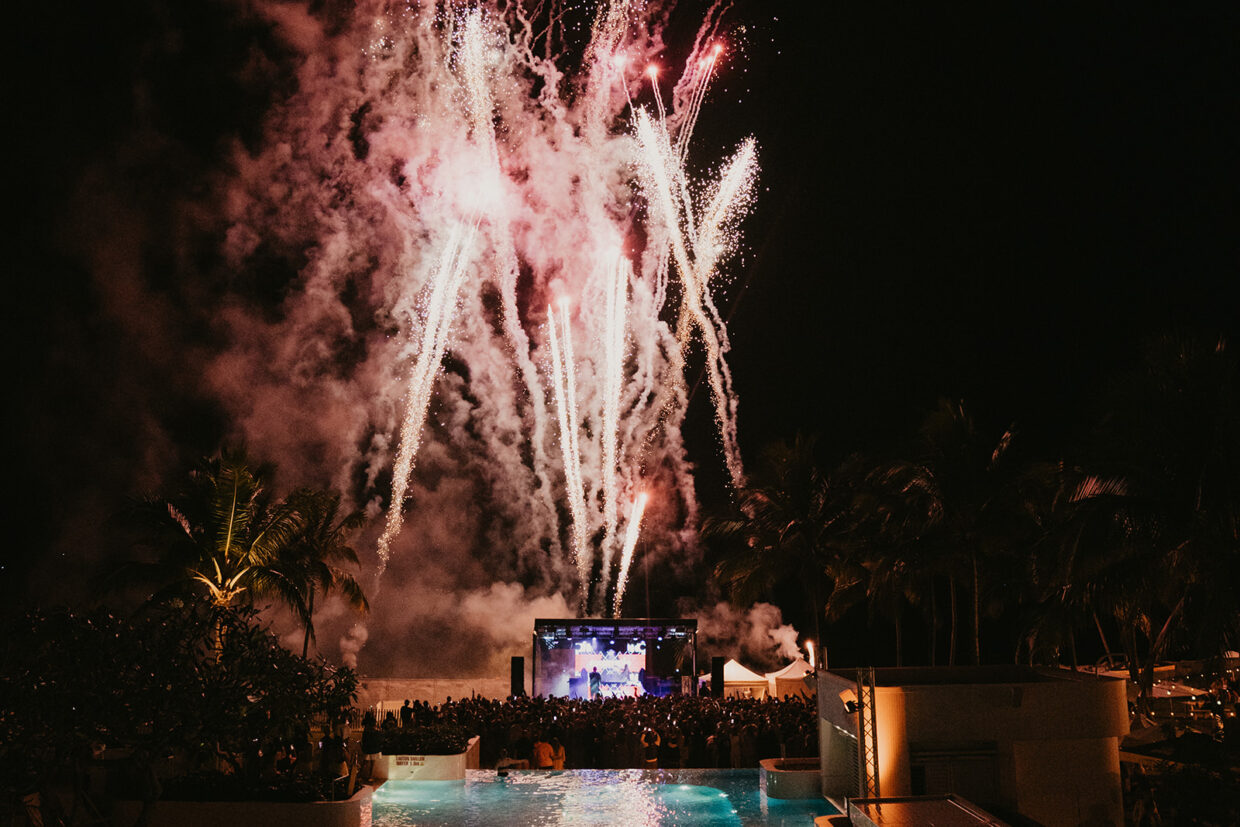
NYE will be even bigger with a Townsville Fire home game at TECC, NYE on the Lawn and a VIP two-course dinner. I expect to have almost 100 staff on that night and a fair few of them will be jumping between events to help service them when required. Overall, it’s one of the busiest periods for events.
As the Event Operations Manager, you basically have to be across all aspects of these events. How do you keep track of everything? How long in advance do you start working on them?
All these events are very crazy. Keeping track of everything does get difficult however having lists of requirements and double checking them is super important. I also like to consistently check in with the sales and marketing team to make sure I haven’t missed any details. Some of these events have been in the works since October with sponsorships and beverage orders, which is wild considering how many events are yet to happen between October and NYE.
Christmas Day Lunch in The Pavilion is a huge event. What goes into making it run smoothly on the day? What do your team do to make it really special for the guests?
Christmas Day is a massive and very important event for us, a day where the guest experience is especially pertinent. We are lucky we get a little “tester” event at the start of December with Giant Christmas Party which is a very similar style event. This is good to see where improvements can be made but more importantly its good for the staff to get a feel for that style of event so they can execute to a higher standard come Christmas day.
I really like to emphasise to the staff on Christmas Day that for the guests this may be a family catch up, reunion or special time with family that only happens once a year. The importance is then on us to ensure the service is seamless and guests aren’t having to worrying about chasing drinks, food etc and can really focus on their time spent with their loved ones.
NYE on the Lawns is a totally different event. What are some of the challenges with this kind of event and how do you deal with them?
NYE is a very different event, anyone who has worked in F&B on NYE will tell you there is no other night like it throughout the year. As we all know, a lot of guests have intentions of having a very big night and a big focus for us as a precinct is to ensure guests have a fun but safe night. This is a major focus for us starting with staff ensuring RSA is enforced right through to the onsite security and medical team. Having duty managers from my team assigned to all aspects of the event is critical to ensure we have fast reaction times when needed but to also maintain control and ensure a smooth experience throughout the night.
What’s it like for you personally working on the ground on event day when it’s such a big event like this? It must be stressful at times. Do you ever get a chance to pause, soak in the atmosphere and enjoy it?
It’s honestly one of the quickest nights throughout the year. From the time doors open to the NY countdown feels like an hour. I’m usually bouncing around between all my duty managers ensuring there aren’t any issues throughout the night. Part of this comes from identifying areas of potential concern ahead of time so we can reaction and fix issues before they really start to affect the event. Yes, I always try to stop and take it all in however this usually happen once all guests have left and the team get to look back at the night and see how well we all did. Having the ability to feel the pressure on NYE is a great experience (maybe not in the moment) and I do truly love the thrill of crazy event days. Call me crazy but I have the most fun on the ground during big days like NYE.